

🪙Quantitative Technical Models
One of the core competitive advantages of the IICS intelligent investment solution is the employment of quantitative technical models. These models combine traditional financial theories with modern algorithmic techniques, aiming to achieve market analysis and trade execution in an automated manner, thereby maximizing investment returns and controlling risks. Here are detailed descriptions of several key quantitative technical models used in the solution:
Box Theory
Box theory operates based on the range of price fluctuations, dividing the price fluctuation range into multiple boxes, with each box representing a price range. When the price breaks above the upper limit of a box, it's considered a buy signal; when the price falls below the lower limit of a box, it's considered a sell signal. IICS utilizes box theory to identify and execute trading opportunities based on price breakouts, adjusting box sizes and trading thresholds automatically to adapt to market volatility changes.
Triangular Arbitrage
Triangular arbitrage is a strategy that exploits opportunities where prices among three currency pairs are inconsistent. For example, in digital currency trading, if there's inconsistency among the exchange rates of BTC/USD, ETH/BTC, and ETH/USD, there may be arbitrage opportunities. IICS automatically monitors and calculates price differences among multiple currency pairs, executing triangular arbitrage strategies to achieve risk-free profits.
Grid Strategy
The grid strategy constructs a grid by setting buy and sell orders within predetermined price ranges, aiming to profit from market volatility. When the price rises and triggers a sell order, the system sets new buy orders at lower prices; vice versa. IICS maximizes profits by dynamically adjusting grid sizes and order spacings to adapt to market fluctuations automatically.
Pyramid Theory
Pyramid theory is an adding position strategy that allows gradual increases in investment positions while existing positions are profitable. IICS utilizes this strategy to trigger additional positions based on preset conditions, while using stop-loss points to limit additional risks brought by adding positions, ensuring that the overall position risk remains within a controllable range.
Interperiod Trading
Interperiod trading exploits price differences between contracts of the same asset with different expiration times. IICS analyzes price trends and spreads of contracts with different expiration dates, locking in profits by buying low-price contracts and selling high-price contracts.
Discount/Premium Trading
Discount/premium trading strategy is mainly applied in derivative markets such as futures and options, involving arbitrage opportunities based on price differences between underlying assets and their derivatives. IICS identifies trading opportunities of discount or premium in real-time by analyzing the price relationship between derivatives and their underlying assets, executing corresponding arbitrage strategies.
Regular Monitoring Index
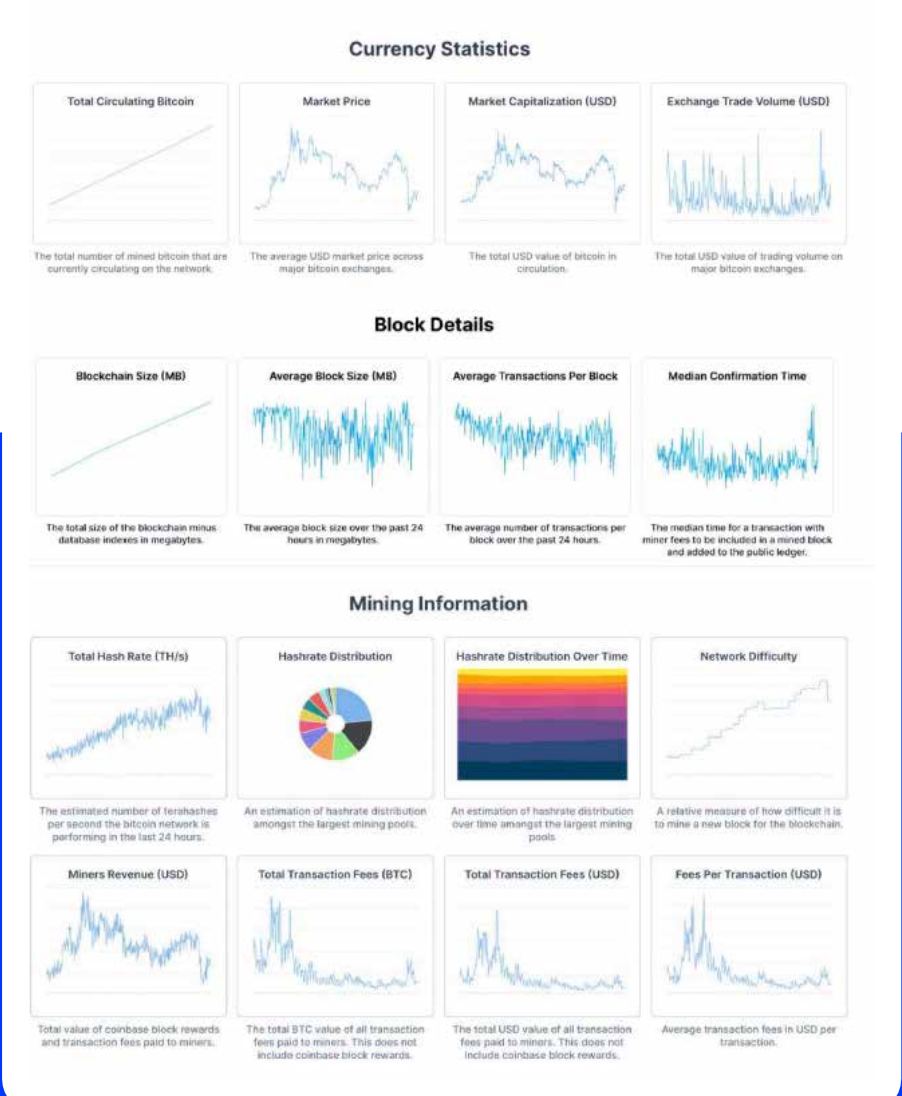
Only under the conditions of meeting the index, the verification simulation is initiated, and reasonable quantitative technical models are introduced into suitable market environments. Through these, the IICS intelligent investment solution provides users with a series of automated and efficient trading strategies, achieving high returns while diversifying and controlling investment risks through diversified strategies and strict risk management mechanisms.
Last updated